A common disease

Itching, swelling & smelling on a global scale

A common disease

Itching, swelling & smelling on a global scale

Global Differences with AD

Atopic dermatitis (AD), or eczema, is a chronic, relapsing inflammatory skin disease and a major public health concern. Marked by intense itching, dry skin, and recurring lesions, AD greatly impacts quality of life. It is a complex condition influenced by genetic, immune, and environmental factors—not just a cosmetic issue. While widely recognized in high-income countries, AD’s prevalence is rising in low- and middle-income regions, such as Sub-Saharan Africa, where it remains under-recognized and undertreated. AD is among the most common chronic skin disorders globally, affecting up to 20% of children and around 10% of adults, though rates vary by region, ethnicity, and socioeconomic status. Its global incidence continues to rise, particularly in urban areas, likely due to increased environmental exposures.

read more

Atopic Dermatitis

Atopic dermatitis (AD) or eczema, is also known as neurodermatitis s a common chronic skin disease that often flares up in episodes. The inflamed skin loses its protective barrier, making it more vulnerable to germs and irritants, which can lead to serious infections. AD is part of the group of atopic diseases, where the immune system overreacts to normal environmental factors; related conditions include hay fever, asthma, and food allergies, which may occur together. The intense itching can be unbearable, and scratching, though momentarily soothing, further damages the skin and increases the risk of infection, creating a vicious cycle.

Just by looking at the skin, the diagnosis of AD can often already be made. Some minimal but typical skin features are:

Shadows over the eyes (easily mistaken for an overtired appearance).

Dennie-Morgan wrinkle (two wrinkles – rarely one – below the lower eyelid

Thickened skin with deepened lines in the palms (so-called ichthyosis hands)

However, these are not sure indicators that can replace an accurate diagnosis. Therefore, an exact medical history (anamnesis), including complaints (since when, how often, how strong, what triggered) and possible co-factors (for example allergies).are crucial Also oftenassiciuated diseases – so called comorbidties such as hay fever, asthma or allergies in your relatives. are explored An examination of the entire skin should allow to make a definitive diagnosis. IIn some cases allergy skin tests (Skin Prick test) and blood tests may be additionally useful; vmostly for research use a tissue sample (biopsy) might be very useful.

The role of ASITRO. Still very little is kown about describing and grading the severitof AD and SCAR in coloured skin, especialla in African backgroud. By characetrizing the skin in patiens by clincila description and imaging, satblsihing also Ai-base recoognition pattersn we want to improve and promote siuch gradign tools, that can help to better appreciate e.g the efficacy of preventive or therapeutic measurements,

Causes for AD

Genetic (hereditary factors are important in AD. Children with both parents affected are at highest risk. A common issue is a gene change that reduces the production of filaggrin, a protein needed for healthy skin. Low filaggrin leads to dry skin. A number of other genes likely influence predisposition, but atopic dermatitis can also occur with no family history. Many factors can trigger or worsen the condition, and these vary by individual. Common triggers include: allergies, psychological influences, microbial load, temperature and nutrition; the role of each of these factors varies a lot from each individuals affected. Also the disease can undulate without detectable external factors.

The role of ASITRO:
By looking for exacerbating factors by questionaries, investigation of the blood for allergic sensitization and immunological changes in the different settings including tropical areas we want to enlighten the hitherto very much unexplored causes for AD on a global level, especially also in areas with limited resources.

contact with wool or other textiles that irritate the skin

certain foods to which the organism is sensitive

too frequent washing with soap or contact with detergents

Heat, sultriness, cold or other temperature and humidity conditions

Tobacco smoke

Psychological stress

Symptoms

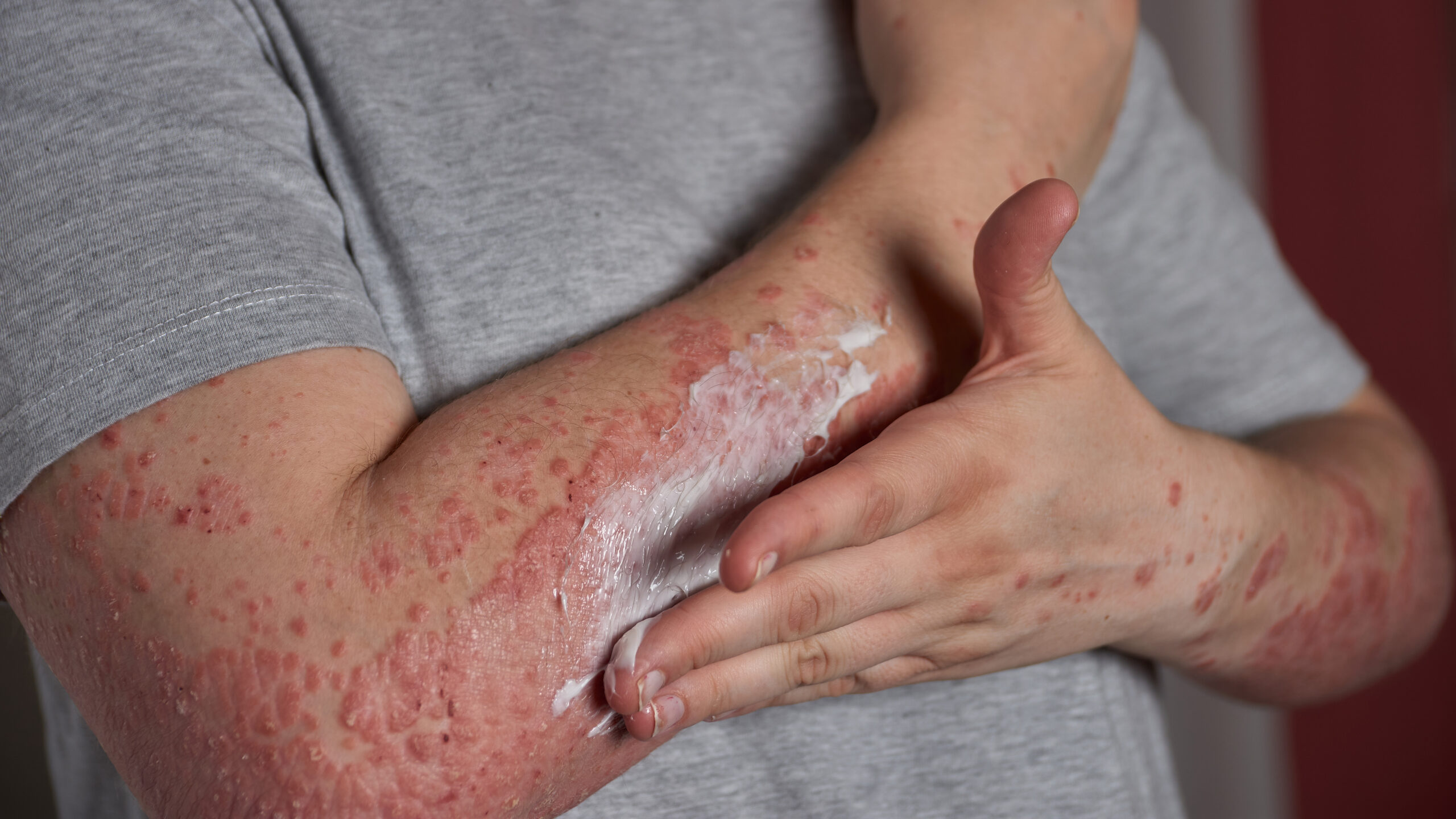
If you have neurodermatitis, you are likely familiar with dry, red, cracked, and itchy skin. Sometimes scales, oozing blisters, or nodules appear, affecting different areas of the skin.

In adults, the flexor folds behind the knees and elbows are often affected. The face, neck, wrists, and hands are also common sites. A special form is prurigo atopica, with intensely itchy nodules spread over large areas or the entire body, often scratched.

In children and adolescents, the inner sides of knees and elbows are usually affected. The face is less often involved.

In infants, an early form appears as cradle cap, with yellowish-white crusts. Typical areas include the cheeks, scalp, and outer sides of arms and legs. The abdomen and back are less affected. Infant skin is generally less dry and scaly than in older children.